

Today, September 1, 2026, a number of new laws officially go into effect in Texas. From right to repair, to the use of gold and silver as legal tender, strengthened solar regulations, and more: continue below for more details on the new Texas laws going into effect as of today, September 1.
Right to repair – HB 2963
With respect to the new right to repair law, manufacturers of covered consumer electronic equipment must make repair parts, tools, and documentation available on fair and reasonable terms to owners and independent repair providers.
This applies to newer devices with a wholesale price of at least $50 such as laptops, phones, tables, and/or other covered small electronics sold in Texas from September 1, 2026.
The new right to repair law, however, is limited. The law does not cover such items as video-game consoles, medical devices, farm equipment, home appliances, industrial equipment, nor aerospace equipment.
Gold and silver specie – HB 1056

Certain privately produced gold and silver bullion pieces can be used as legal tender in Texas. The bullion or “specie” is a physical piece rather than a certificate or digital token. The pieces must be marked with weight and purity.
The clearly marked pieces are distinguished from gold or silver items like jewelry, collectibles, otherwise. Furthermore, no individual or business is required to accept it.
An optional electronic payment system backed by bullion in the Texas Bullion Depository may be authorized beginning May 1, 2027. This would allow depositors to use account balances representing stored gold or silver bllion; sellers and service providers to receive payments through the system; and for electronic payments that draw value from physical gold or silver be held in custody at the depository.
Fire-department volunteer compensation – HB 5424
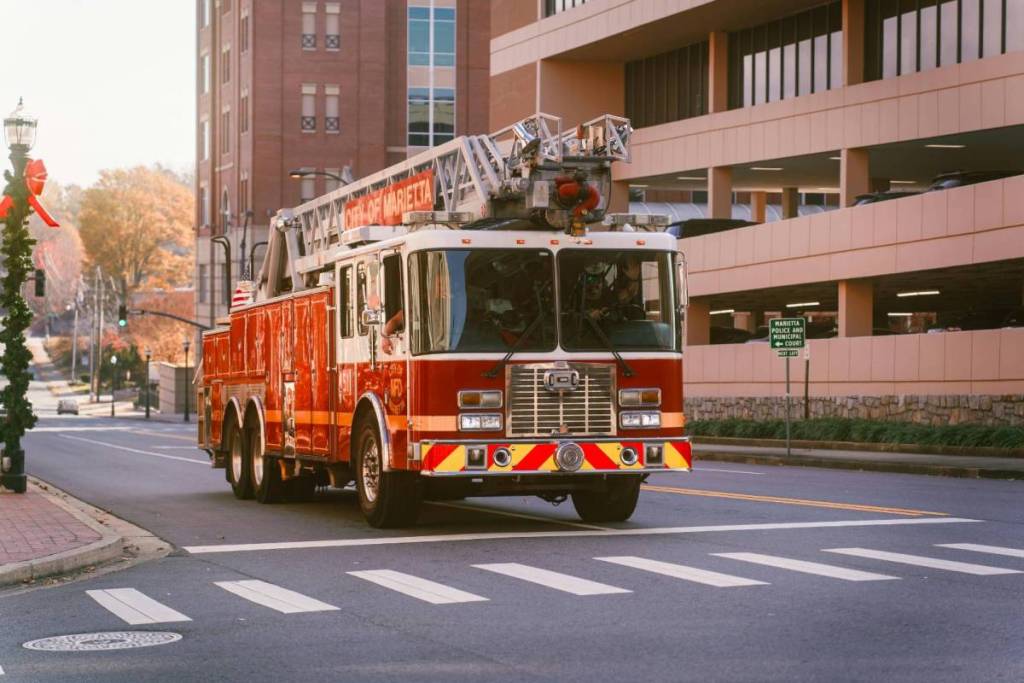
HB 5424 revises the annual cap on how much a fire department can compensate, reimburse, or provide in benefits to someone it classifies as a volunteer or auxiliary firefighter.
Under the new rule, that combined annual amount cannot exceed 20% of the highest total compensation paid to full-time firefighters by a local government in the same county.
Departments may still rely on unpaid volunteers and retain discretion about stipends, reimbursements, or benefits. The law establishes a clearer upper limit, intended to give departments more flexibility to provide meaningful support without turning a volunteer role into one treated as full-time paid fire-protection employment.
Special-education funding – SB 568

SB 568 is a statewide overhaul of how it funds special education in public schools, replacing the old instructional-arrangement model with a two-part system based on the actual services students receive.
The Texas Education Agency now distributes money through an intensity-of-service tier and at least four specific service groups. This ties funding directly to the level and type of support a student needs, injecting an estimated $250 million more into the statewide special-education budget for the transition year.
For families, this administrative shift doesn’t alter a student’s Individualized Education Program (IEP), eligibility, or right to services. Behind the scenes, school districts and charter schools take on new reporting requirements to track service-level data and align local budgets with the updated rules.
Residential solar sales rules – SB 1036

Residential solar retailers and their sales affiliates must register with the Texas Department of Licensing and Regulation. Additionally, retailers must carry insurance and supervise their sales personnel.
The law intends to add consumer protections around deceptive sales claims, misleading, utility/government affiliations, and other practices.
The new law enables regulators to seek penalties, cancel contracts, and receive refunds, with potentially higher consequences when the affected customer is 65 years or older.
Manufactured housing local rules – SB 785
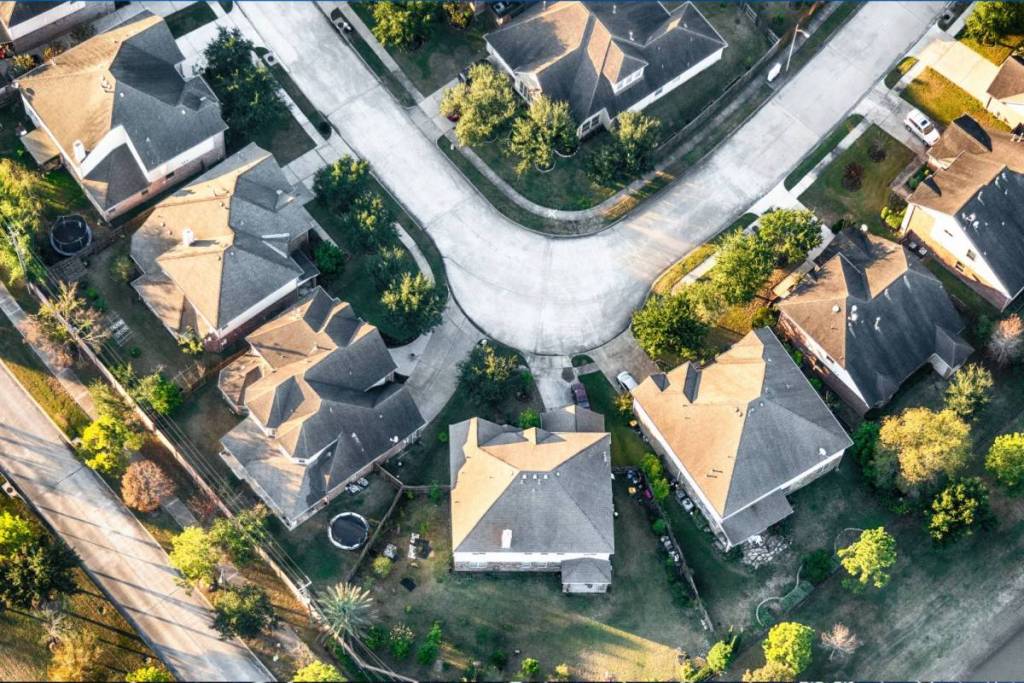
Senate Bill 785 aims to cut red tape around new HUD-code manufactured homes. The legislation blocks local governments from demanding extra permits, fees, bonds, or insurance for transporting and installing these factory-built units, as long as licensed professionals handle the job.
The Texas Department of Housing and Community Affairs maintains oversight, and standard local zoning, deed restrictions, and floodplain requirements stay fully in effect. The law specifically targets duplicate fees and paperwork for state-licensed installers.
For buyers, the initial checklist stays the same. You still need to verify that your specific lot legally allows a manufactured home and complies with local land-use rules. Once you lock in a permissible site and a qualified installer, this update streamlines the final steps to get the home on the ground.