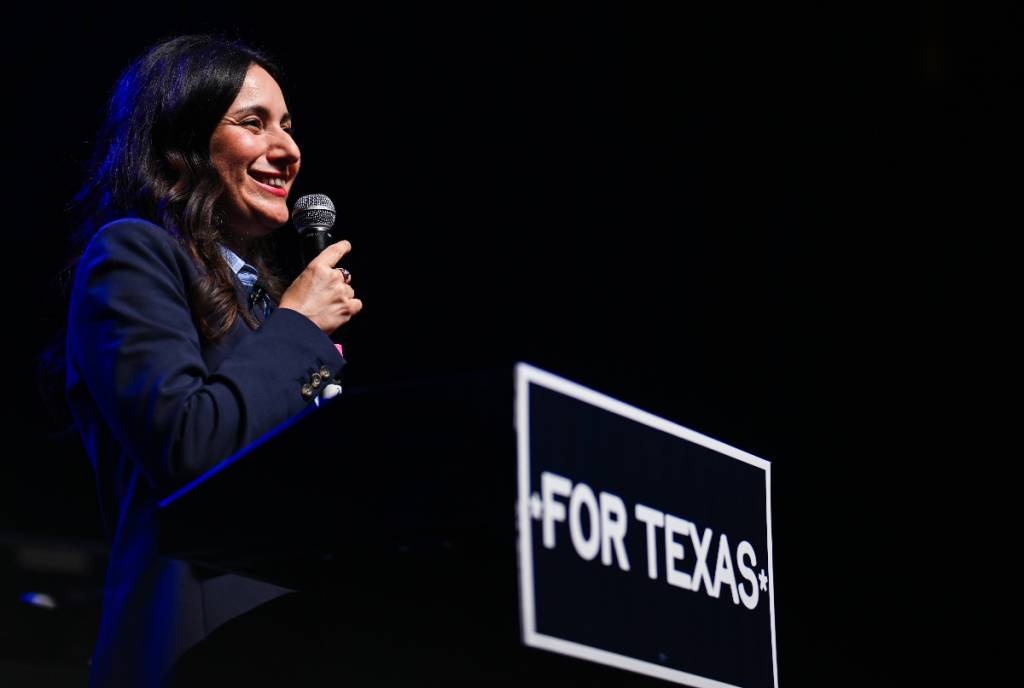

A little help with groceries, rent or electricity bills could be on the horizon for Houston households—but don’t count on a deposit just yet.
Texas Governor-elect Gina Hinojosa has proposed sending a one-time $1,500 payment to every Texas household. Now, state Sen. Roland Gutierrez has filed a bill outlining how the campaign pledge could become a statewide relief program. The proposal is not yet law, and no payments have been approved.
Here’s what Houston residents should know about the plan, who it would cover and what needs to happen before any money goes out.
What is Hinojosa’s $1,500 check proposal?
Hinojosa’s plan would use roughly $17 billion from Texas’ Rainy Day Fund—the state’s emergency savings account—to finance one-time household payments. She has framed the proposal as relief for Texans struggling with everyday expenses.
The proposed payment is per household, not per person. That means a household of four would receive $1,500 in total, rather than $1,500 for each family member.
Hinojosa’s campaign said she would declare affordability an emergency on her first day in office, allowing lawmakers to take up the proposal early in the legislative session. That declaration would not, by itself, authorize the checks.

Who would qualify?
Under Gutierrez’s bill, households would need to be living in Texas as of January 1, 2027. The Texas Comptroller’s office would establish the eligibility-verification and payment processes.
The proposal would allow state agencies to use lawfully available information to identify eligible households. Residents could also apply and provide supporting documents, such as a lease or utility bill. Whether some households would receive payments automatically remains unclear. These are proposed rules, not final requirements.
When could Houston households receive the money?
The bill aims to get payments out by the end of 2027, while allowing applications through the end of 2028. Those are proposed targets—not a confirmed payment schedule.
Before that can happen, lawmakers would need to approve the program and its funding. Using the Rainy Day Fund for this purpose requires a two-thirds vote of members present in each legislative chamber.
There is also a legal question: Texas generally prohibits direct grants of public money to individuals, with an exception for a “public calamity.” The bill seeks to classify the affordability crisis that way, but whether that approach would withstand legal scrutiny remains uncertain.
Can you apply now?
Not yet. The application process described in the bill would have to be established if the proposal becomes law. For Houston households, the key distinction is simple: the checks are a proposal moving through the legislative process, not an approved benefit available today.