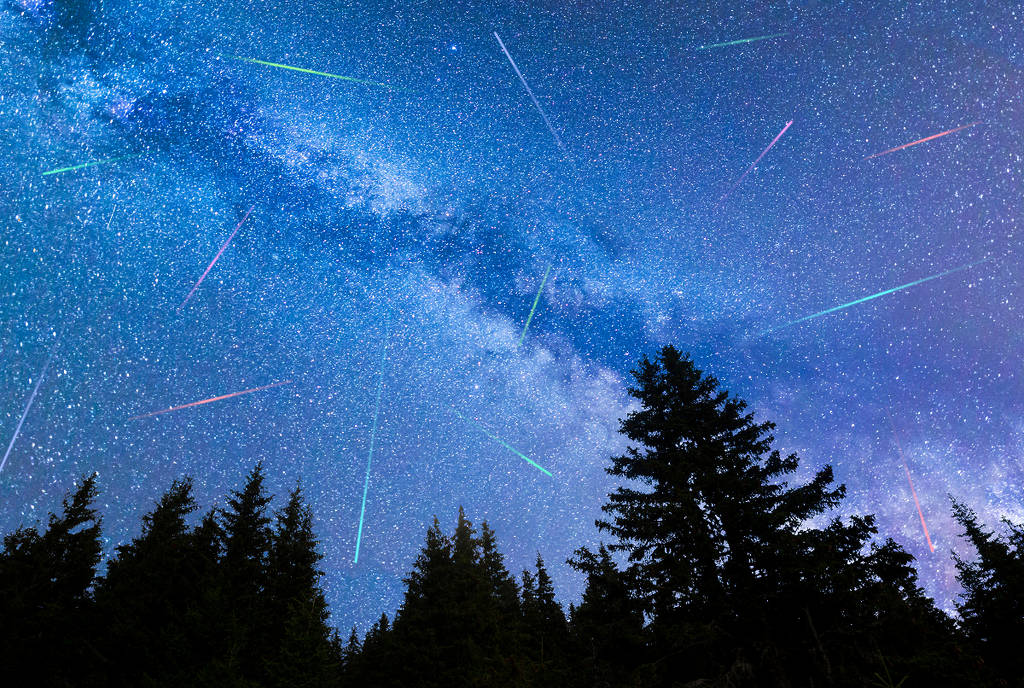
While mixed conditions are expected for today, the clouds are predicted to part, at least somewhat, just in time for the arrival of the Perseid Meteor Shower, one of the most stunning meteor showers of the year. Here’s how, when, and where to see the Perseid Meteor Shower in Houston 2025.
What is the Perseid Meteor Shower?
The Perseid Meteor Shower is back, and this annual light display comes courtesy of tiny bits of space dust left behind by the comet Swift–Tuttle. When these particles zip into Earth’s upper atmosphere, they burn up in a quick, fiery blaze — the flashes you see streaking overhead.
Visible from pretty much anywhere in the Northern Hemisphere, the Perseids aren’t a new phenomenon. The first recorded sighting dates all the way back to 36 AD, and people have been tracking them ever since. Their name? That comes from the Perseus constellation — the part of the sky where the meteors appear to originate.
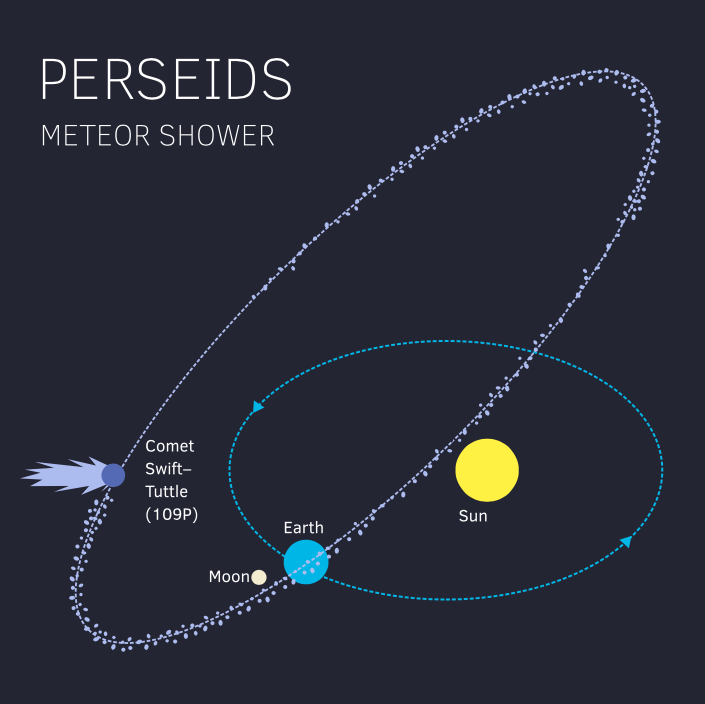
According to Almanac.com, the Perseids have a rep for a reason — they’re known for delivering one of the biggest and brightest meteor showers of the year.
Ask any seasoned stargazer and they’ll tell you: this is the celestial show of the year. At its peak, you can expect anywhere from 50 to 100 shooting stars an hour lighting up the sky — basically, a cosmic fireworks display you don’t want to miss.
When will the Perseid Meteor Shower 2025 take place?
The Perseid Meteor Shower is presently ongoing through September 1. However, it will hit its peak between Monday, August 11, and Wednesday, August 13. As far as when to watch, the best hours are the wee morning hours just before dawn when the meteor showers strengthen in number.
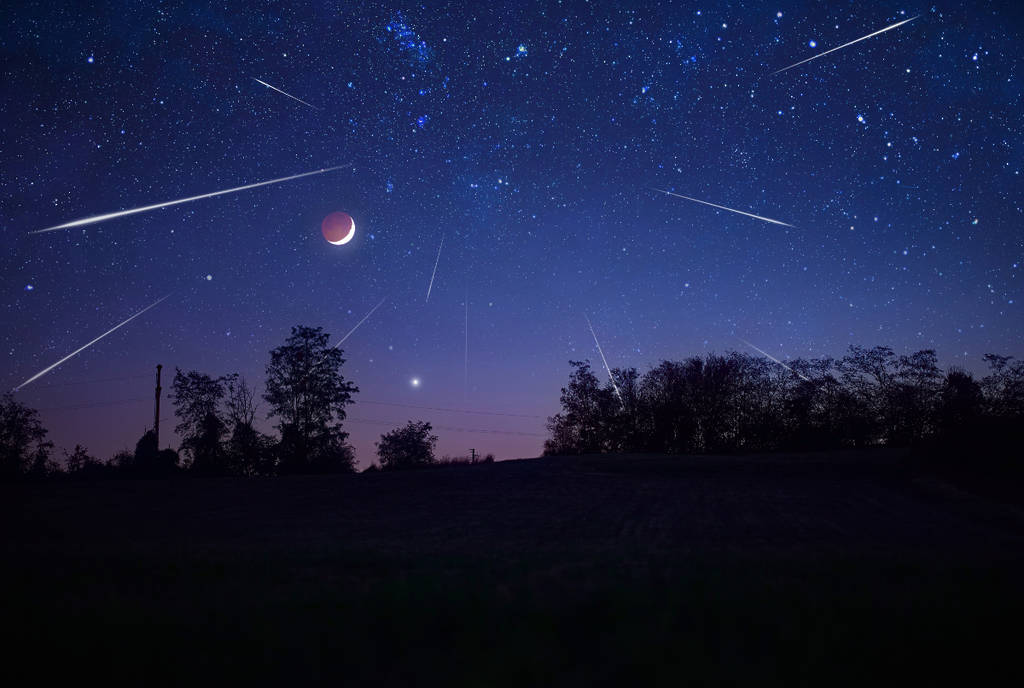
How to see the Perseid Meteor Shower in Houston?
If you really want the wow factor, plan your watch party for the hours after midnight and before dawn — that’s when the Perseid action is at its peak and the sky is at its inkiest. Ditch the city glow and head somewhere dark and quiet.
Once you’re there, face northeast, kick back, and give your eyes about 20 minutes to fully adjust. No fancy gear required — just you, the night sky, and a little patience. That said, a comfy chair is a game-changer (because stargazing is way more fun when your neck isn’t sore), and a pair of binoculars can help you zoom in on the cosmic fireworks.