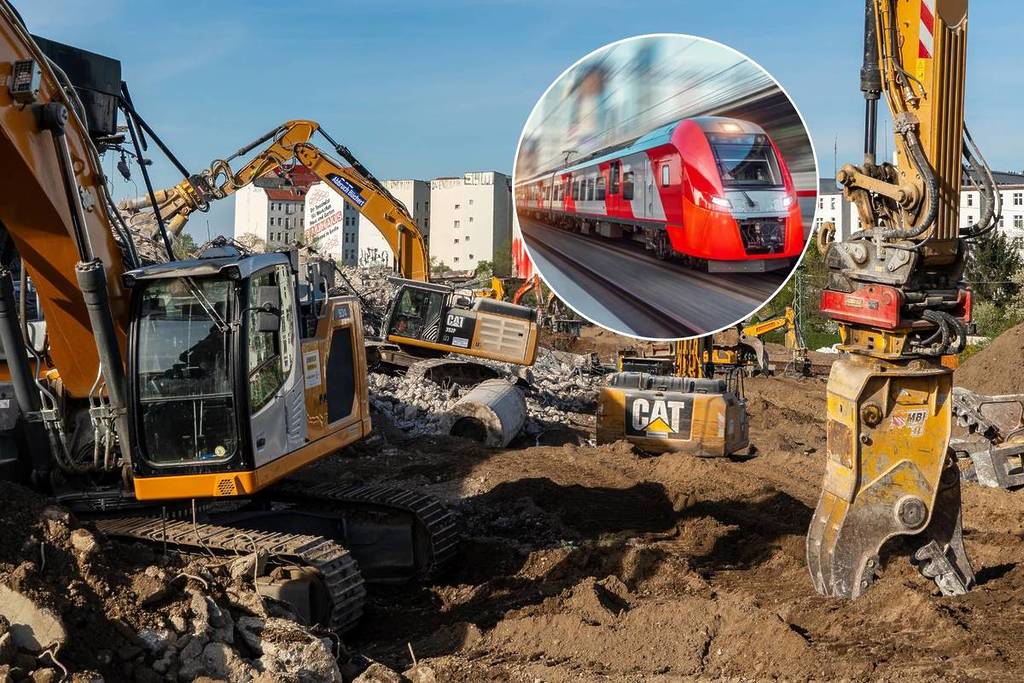

News regarding the high-speed train from Dallas to Houston has been pretty quiet over the past few months. The highly anticipated high-speed train been fraught with setbacks, changes in leadership, and funding troubles over the years, leaving some skeptical about whether or not it would ever come to be. It seems however, that (possibly maybe) the project is back on track.
Construction crews are now in position to tear down the long abandoned Northwest Mall in Houston to make way for the high-speed train’s Houston Terminus.
History of Northwest Mall
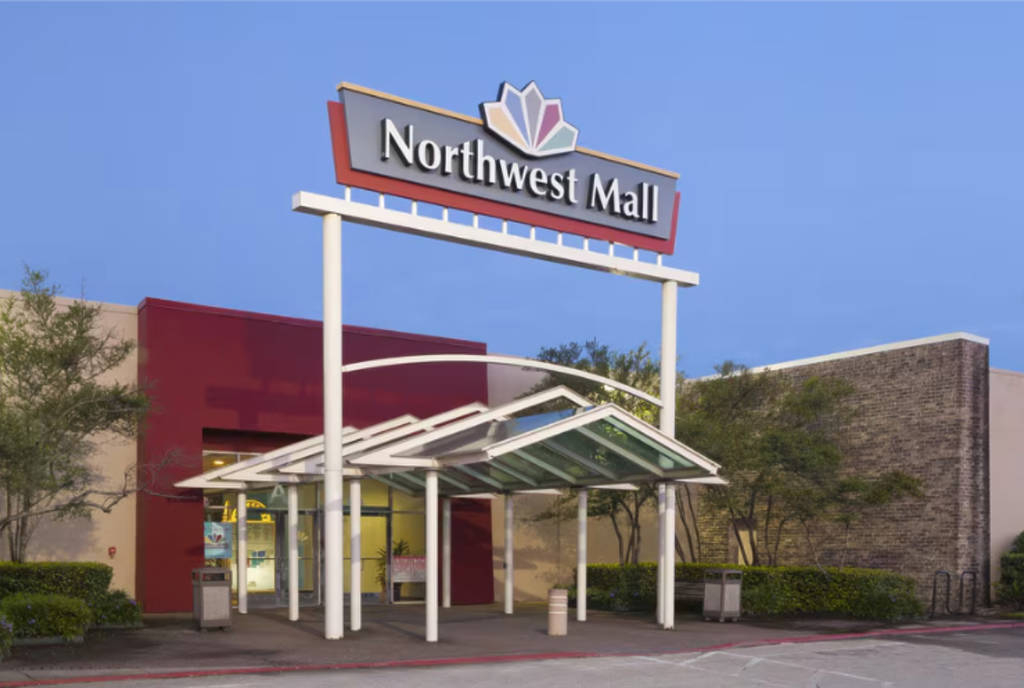
Opened in 1968, the Northwest Mall was a longstanding commercial staple of the city. Located at the Interstate 610 and U.S. Highway 290 interchange, the mall featured a unique ’60s architecture, housing popular concepts like Foley’s, JCPenney, Palais Royal, and Woolworth’s.
In the year 2000, the mall began a steady decline. JCPenney closed, later replaced by a Macy’s. The Macy’s could never get the same business and in 2008, the mall suffered significant damage during Hurricane Ike from which it would never recover. The mall officially closed to the public in 2017.
Demolition of the Northwest Mall
After 9 years, the Northwest Mall is coming down. With bulldozers and other heavy machinery on-site, demolition crews have officially begun tearing down the mall.
While bulldozers are on-site to clear the structure—a process expected to take about a year—it is important to note that this is demolition of a private structure, not pre-construction for the rail project.
Houston to Dallas High-Speed Train
The destruction of the Northwest Mall marks something of a milestone for the Dallas-to-Houston high-speed train. The idea is that the site could potentially be the base of the Houston Terminus. At the intersection of I-610 and 290, makes it accessible for Houstonians from the Heights, Downtown, and the Energy Corridor.
In 2025, Amtrak formerly exited the project. Now the Texas High-Speed Rail is under the private control of Kleinheinz Capital Partner and Texas High-Speed Rail Holdings LLC.
While developers are working toward a “Final Investment Decision” (FID) for funding, they must first navigate a years-long regulatory gauntlet before a single mile of track can be laid. Developers are set to release a progress report later this year.

Proponents, including Congressman Seth Moulton, recently suggested that technological improvements could lower the travel time between the two cities to just 60 minutes. However, critics point out that these figures are often deceptive as they only measure travel between the “edges” of the metropolitan areas rather than downtown cores.