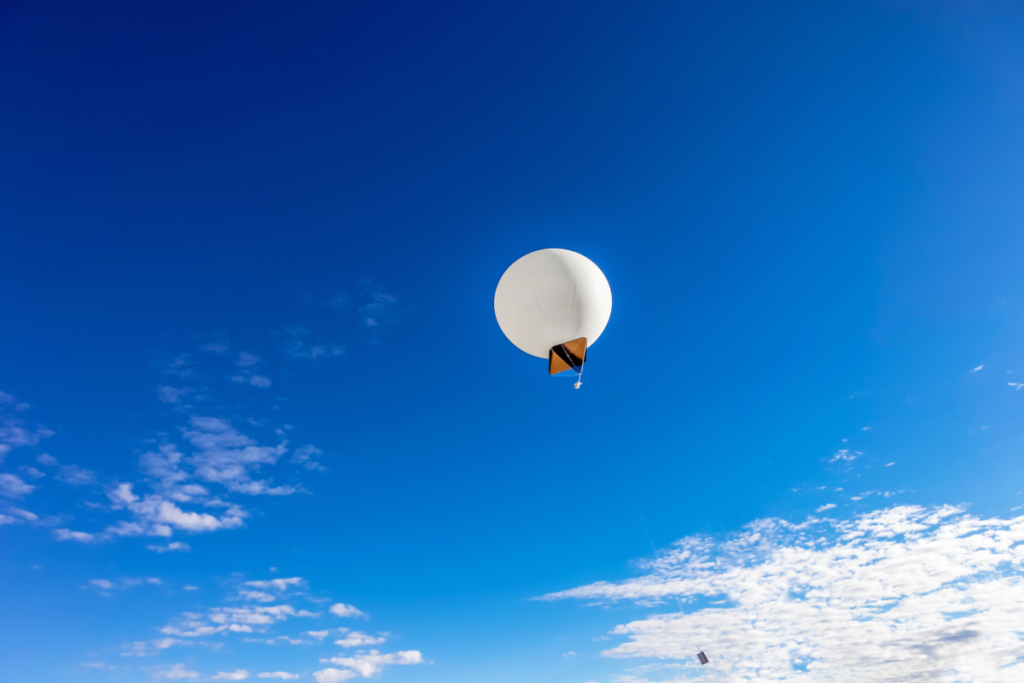

Houston isn’t getting a new weather balloon launch site—but a nationwide return to regular launches still matters for the forecasts we check before heading out the door.
The National Weather Service has restored twice-daily weather balloon launches at all 92 of its upper-air stations, effective November 1. According to a statement the agency provided to KPRC 2, the change brings the network back onto a standardized schedule following staffing-related disruptions.
And there’s a local detail that might surprise you: Houston has never had its own NWS weather balloon launch site, and this restoration doesn’t add one. That doesn’t mean the city misses out on the data collected elsewhere.
What’s changing?
The NWS told KPRC 2 that all 92 balloon-launching field offices returned to standard observations at 00 UTC and 12 UTC, following guidance issued October 9 to align with World Meteorological Organization guidelines. In Houston’s current Central Standard Time, those observation times correspond to 6 p.m. and 6 a.m.
The return follows cuts that reduced launches to once daily at some stations and left others without enough staff to launch at all. KPRC 2 reported that the disruptions followed federal staffing reductions associated with the Department of Government Efficiency.
There is an important distinction, though: this isn’t 92 stations suddenly restarting from zero. The NWS said most sites were already following the twice-daily schedule. The change restores that standard across the network, although maintenance and other short-term issues can still interrupt individual stations.
What do weather balloons actually measure?
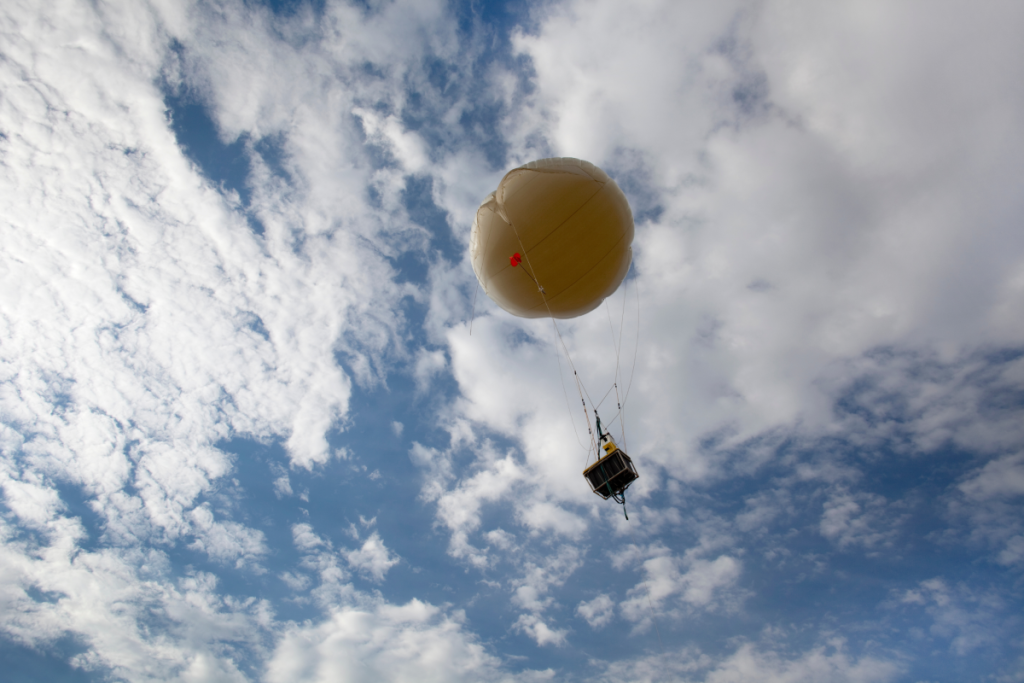
Weather balloons collect observations of temperature, humidity, atmospheric pressure and winds aloft. Those measurements give meteorologists a real-time picture of conditions above the surface and provide data used in forecasting models.
That matters because the weather outside your window is only part of the picture. Observations higher in the atmosphere help forecasters understand the systems that shape what happens below—and gaps in those observations had raised concerns about the quality of forecast-model inputs.

So where does Houston fit in?
Houston has never had its own NWS balloon-launching station, according to KPRC 2’s reporting. The restored schedule therefore isn’t bringing back a lost Houston service or creating a new local launch site.
Instead, Houston benefits from the wider observing network. The NWS’s official upper-air station list includes Corpus Christi in Texas and Lake Charles in Louisiana, among other locations across the country. Observations from stations across Texas and beyond help meteorologists assess the weather systems that can affect Houston.